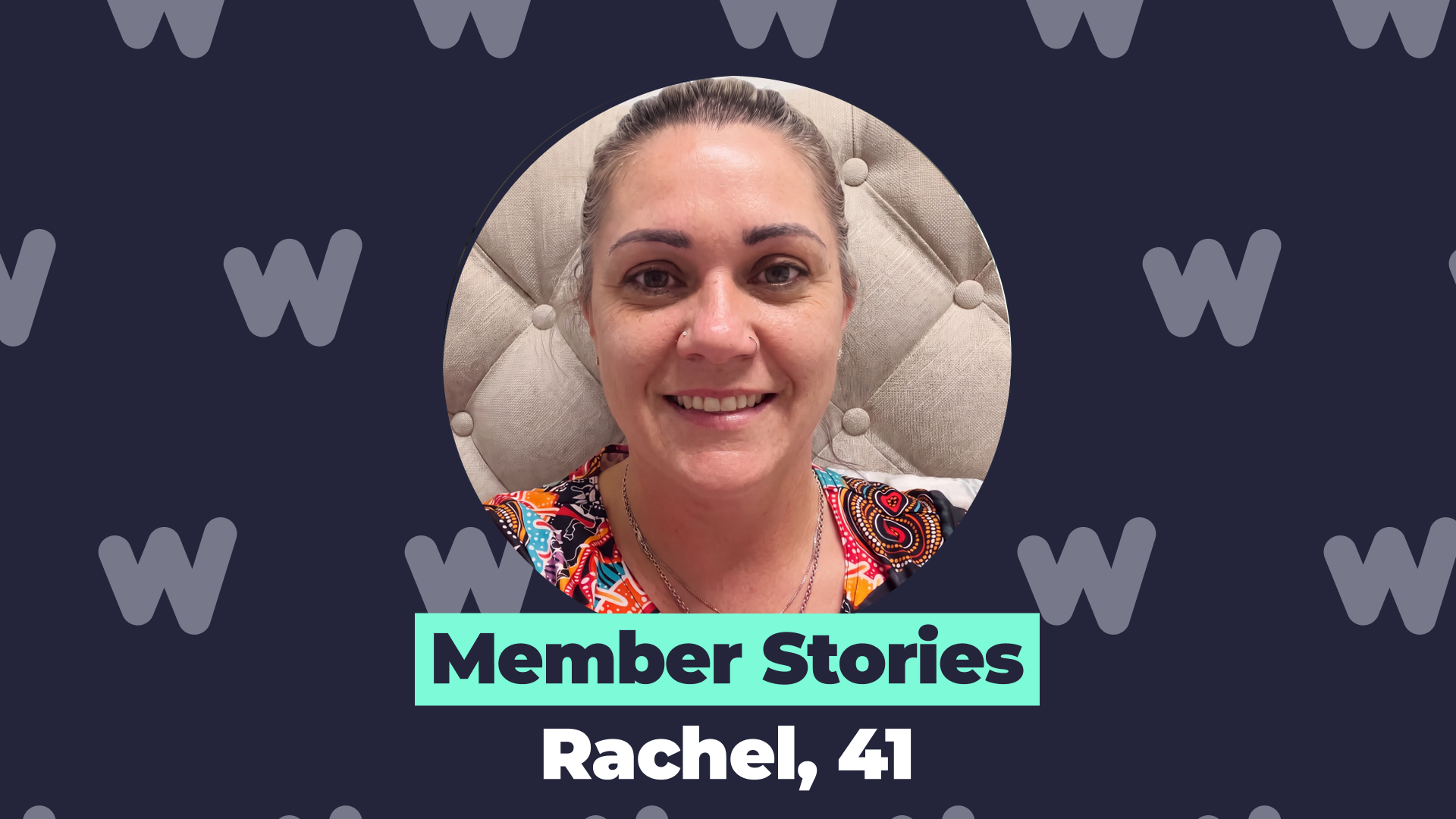

Rachel's story at a glance
Rachel manages an administration team in local government town planning and is raising her daughter. She grew up without being taught how to save and says credit cards followed her through much of adult life.
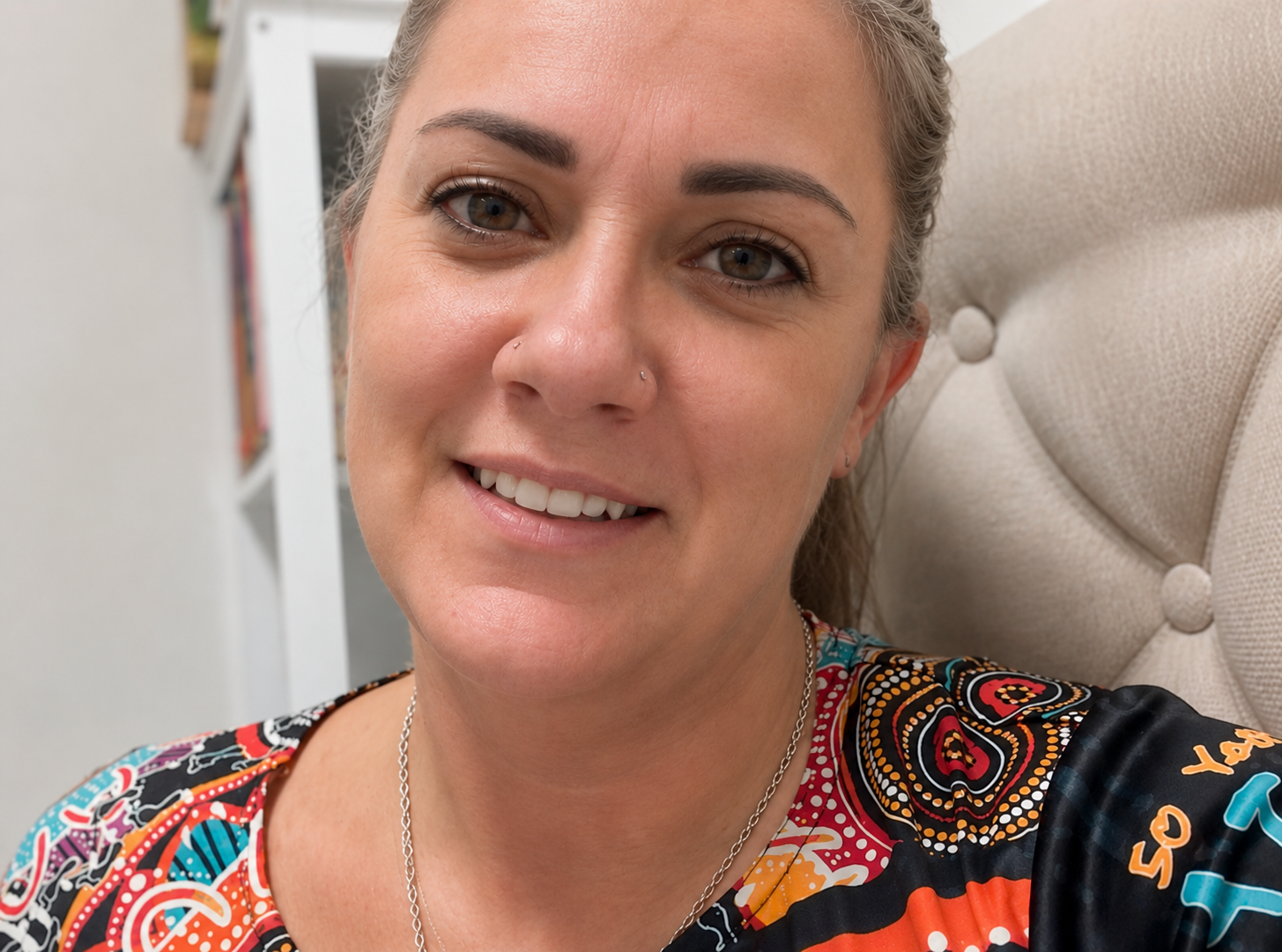
After separating from her daughter’s father, Rachel became determined to buy a home. A government single-parent home buyer scheme meant she needed a relatively small deposit, but finding the final $3,000 still felt “mammoth”. She built a spreadsheet, created savings buckets and made sure bills were funded in advance.
She bought the unit. The remaining credit card balances, however, were a hangover from getting established in the home.
Rachel used WeMoney to compare rates and consolidated the card balances with OurMoneyMarket. She completed the application from her phone and preferred the email and text communication to phone calls.
Rachel then closed the cards herself.
“I have no credit cards anymore,” she says. “I obviously have debt, but it’s more controlled.”
Rachel still uses Excel as what she calls a “life planner”. Separate tabs track holidays, body corporate fees, rates, water, school costs and activities for her daughter.
She is candid that impulse spending can still be a challenge and that having debt still causes some stress. The difference is that bills are funded ahead, repayments are on track and she continues to save.
Most importantly, Rachel wants her daughter to grow up with a different relationship to money. Buying the home was proof that disciplined saving could create something meaningful. Closing the credit cards was the next step.
Join WeMoney to bring your accounts together and see your finances in one place.
Disclaimer: Rachel’s experience is her own and is not a guarantee of a similar result. The information in this article is general in nature and was prepared for information purposes only. It should not be considered financial advice and does not take into account your objectives, financial situation or needs. Consider whether it is appropriate for your circumstances and seek independent advice before making a financial decision.
The WeMoney digest: one email each week with what is worth knowing about your money. No noise, unsubscribe any time.
We collect your email to send you the weekly WeMoney digest and for no other purpose. You can unsubscribe via the link in every email. Handled under our Privacy Policy.
We'd love to share it, and you'll get $50 if we record your video testimonial.
Share your storyABN: 88 633 007 860 WeMoney Pty Ltd
Information on this website is general in nature and is not financial or credit advice. It does not take into account your objectives, financial situation or needs. Consider whether it is appropriate for your circumstances, and read our Terms of Use, Credit Guide and Privacy Policy before acting on it.
All rights reserved.
Built with ❤️ in Australia
Australian Credit Licence (ACL): 526330
AFCA member: 79896
WeMoney acknowledges and pays respect to the past, present, and emerging Traditional Custodians of the land in which we live and work.


.png)


