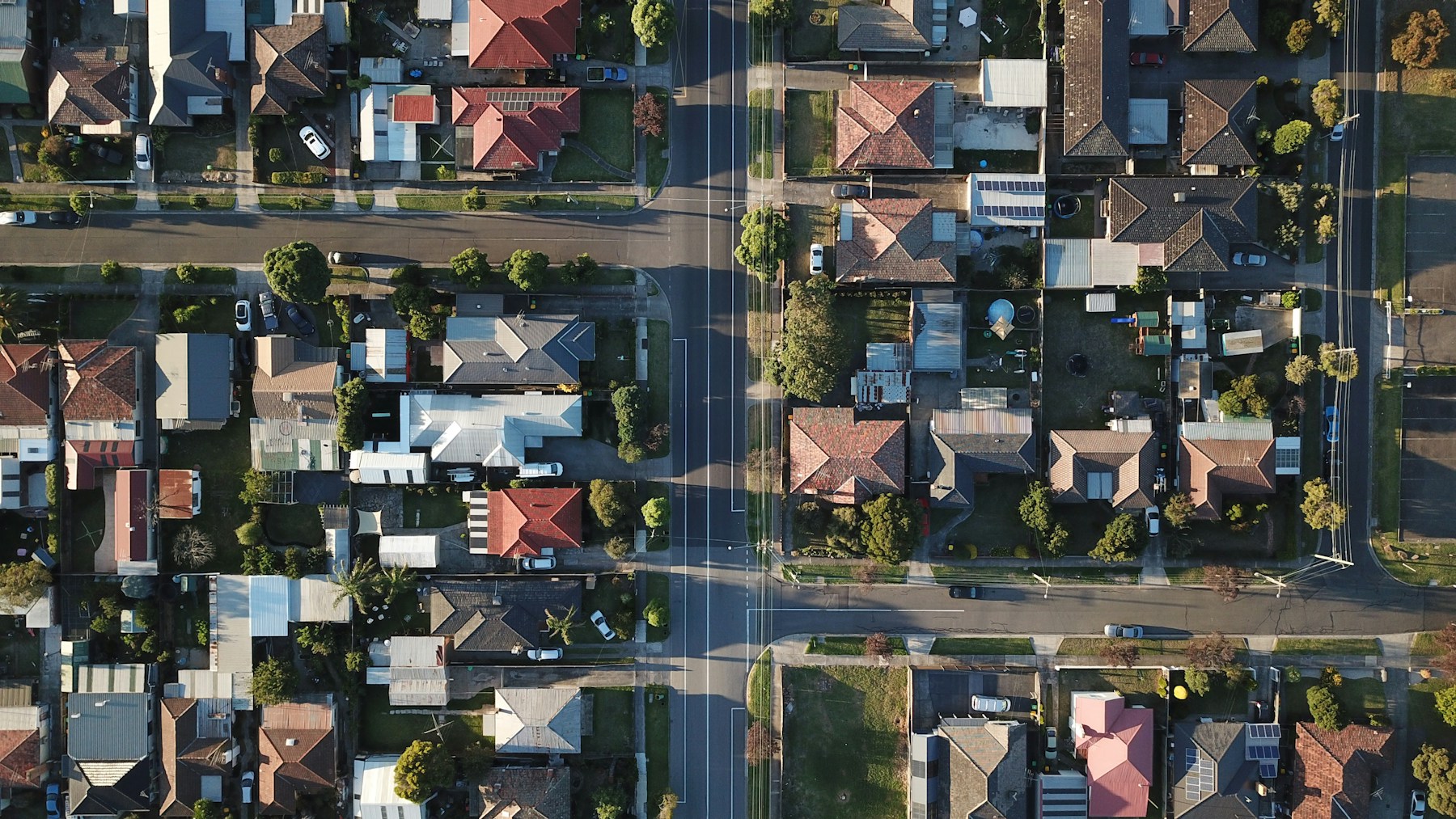

Photo by Tom Rumble on Unsplash
The RBA has raised the cash rate for the fourth time this year, adding to the pressure on households already dealing with higher fuel costs. Another rise remains possible. For someone with a variable-rate home loan, the useful next step is to check whether their lender changes their rate or repayment, and when.
On 29 September, the RBA unanimously raised the cash rate by 0.25 percentage points to 4.60%, effective 30 September. This was its fourth increase in 2026. The next decision is scheduled for 3 November at 2.30pm AEDT, or 11.30am in Perth. Another increase would be a fifth rise, but the RBA has not announced one.
In CBA’s 21 September forecast, Head of Australian Economics Belinda Allen expected a 0.25 percentage point rise to 4.60%, bringing forward the bank’s previous November call. Westpac Chief Economist Luci Ellis had moved Westpac’s forecast from November to September on 18 September, while expecting a split Board vote. After the unanimous September decision, Ellis’s 29 September note made a November follow-up Westpac’s central forecast, subject to developments that could materially lower the energy-cost outlook. It remains Westpac’s forecast, not an announced RBA decision.
Market pricing provides a different measure. On 11 September, the ASX Rate Tracker showed a 76% implied probability of a September rise to 4.60%. That dated figure came from cash-rate futures prices, not a survey finding that 76% of experts agreed. It describes expectations on that trading day and should not be read as today’s odds.
Deputy Governor Andrew Hauser’s 8 September interview contained a warning about further tightening. His reference to raising rates “tomorrow” or “next week” described how sharply the RBA could act if it stopped giving the same weight to protecting employment gains. He immediately explained that the Board had not judged that approach appropriate, and rejected the suggestion that a September increase was inevitable.
The concern has continued. In her 18 September testimony, Governor Michele Bullock said some upside inflation risks appeared to be materialising. She warned that cost increases becoming embedded in price and wage decisions could require a stronger policy response. That testimony kept further rises in view before the September decision.
The concern behind the “tax trap” description is a possible squeeze from two directions. Ending temporary fuel-excise relief can increase the cost of filling the car. If higher costs feed into broader, persistent inflation, they could also influence the RBA’s assessment and the risk of higher repayments. Neither the size of the pump-price change nor the interest-rate response follows automatically from the tax change.
Treasury’s extension of fuel-excise relief ran from 1 July to 2 August. This is a change that has already happened. Westpac’s 10 September Card Tracker report described rising fuel spending after that relief ended, alongside a 0.3% fall in non-fuel spending during August.
The same report estimated that higher prices generally could account for up to half the recent lift in nominal spending growth. It did not attribute that entire share to petrol. These are indicators drawn from transactions processed by Westpac, rather than a direct measure of every household’s spending.
Bullock’s 22 September remarks explain the distinction: the RBA can look through a one-off supply shock, while repeated shocks risk affecting inflation expectations and creating persistent indirect effects. Fuel costs can therefore matter without a tax change making a fifth rate rise inevitable.
For a hypothetical $600,000 principal-and-interest home loan with 30 years remaining, increasing the loan rate from 6.00% to 6.25% adds about $97 to the monthly repayment. At 6.50%, the increase from the original 6.00% rate is about $195 a month.
| Illustrative loan rate | Monthly repayment | Increase from 6.00% |
|---|---|---|
| 6.00% | $3,597.30 | $0.00 |
| 6.25% | $3,694.30 | $97.00 |
| 6.50% | $3,792.41 | $195.11 |
These are calculated scenarios, not available offers or rate forecasts. They assume monthly payments in arrears, a constant rate, no fees and no offset balance. The calculation is P × r ÷ [1 − (1 + r)^−n], where P is $600,000, r is the annual rate divided by 12 and n is 360 monthly payments. Increases compare the displayed rounded repayments. A 0.25 percentage point cash-rate increase need not pass through exactly to your loan rate.
Use the WeMoney home loan repayment calculator to try your own balance, remaining term and interest-rate assumptions. Its results are indicative. Your lender confirms your repayment amount and when a change takes effect.
Download WeMoney to see your connected accounts together and review your own repayment commitments. Use those current commitments as the starting point for checking how a higher repayment could fit alongside your other bills.
You can check that exposure before choosing whether to change anything. The immediate question is how much room a higher repayment would leave in your budget, using your actual loan details. A rate forecast alone cannot answer that for you.
The WeMoney digest: one email each week with what is worth knowing about your money. No noise, unsubscribe any time.
We collect your email to send you the weekly WeMoney digest and for no other purpose. You can unsubscribe via the link in every email. Handled under our Privacy Policy.
We'd love to share it, and you'll get $50 if we record your video testimonial.
Share your storyABN: 88 633 007 860 WeMoney Pty Ltd
Information on this website is general in nature and is not financial or credit advice. It does not take into account your objectives, financial situation or needs. Consider whether it is appropriate for your circumstances, and read our Terms of Use, Credit Guide and Privacy Policy before acting on it.
All rights reserved.
Built with ❤️ in Australia
Australian Credit Licence (ACL): 526330
AFCA member: 79896
WeMoney acknowledges and pays respect to the past, present, and emerging Traditional Custodians of the land in which we live and work.


